
Life insurance is often discussed, often postponed, and frequently misunderstood. Many people believe life insurance is only for the elderly, the wealthy, or those with serious health conditions. In reality, life insurance is one of the most practical and responsible financial tools a person can own at almost any stage of life. It is not about predicting death; it is about preparing for life and protecting the people who depend on you.
In simple terms, life insurance is a promise. It is a promise that your loved ones will not be left struggling financially if something unexpected happens to you. It is also a financial strategy that can support long-term goals, provide peace of mind, and create stability in uncertain times.
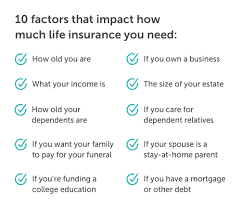
Below are 10 key reasons why a person needs life insurance, explained clearly, naturally, and in a human, easy-to-read style.
1. Financial Protection for Your Family
The most important reason people buy life insurance is to protect their family financially. If you are the primary income earner, your income supports daily expenses such as food, housing, utilities, education, transportation, and healthcare. Without that income, your family may struggle to maintain their current lifestyle.
Life insurance replaces lost income. It ensures that your spouse, children, or dependents can continue paying bills, covering living costs, and meeting essential needs. Instead of facing financial hardship during an emotional time, your family receives financial support when they need it most.
This protection is not limited to parents. Anyone who financially supports another person, such as a partner, sibling, or elderly parent, should consider life insurance.
2. Paying Off Debts and Loans
Most people carry some form of debt during their lifetime. This may include a mortgage, car loans, credit cards, personal loans, or business debts. When a person passes away, these debts do not simply disappear.
In many cases, the responsibility to pay off these debts falls on surviving family members. Life insurance can help cover outstanding balances, ensuring your loved ones are not burdened with financial obligations they cannot afford.
By using life insurance to settle debts, your family can focus on healing instead of worrying about creditors and payments.
3. Covering Funeral and Final Expenses
Funeral and burial costs can be surprisingly expensive. Expenses may include funeral services, burial or cremation, transportation, legal paperwork, and memorial arrangements. These costs can quickly add up and place sudden financial stress on your family.
Life insurance can cover these final expenses, allowing your loved ones to honor your life without financial pressure. Even a modest life insurance policy can make a significant difference during this time.
Planning ahead through life insurance is a thoughtful and responsible decision that reduces emotional and financial stress for those you leave behind.
4. Income Replacement and Lifestyle Stability
Life insurance is not just about paying bills; it is about preserving a way of life. Without your income, your family may need to make difficult changes, such as moving homes, changing schools, or cutting essential activities.
A well-planned life insurance policy provides income replacement that helps your family maintain stability. This means children can continue their education, daily routines can remain intact, and your family can move forward without drastic disruptions.
This stability is especially important for young families who rely heavily on one or two incomes.
5. Education Planning for Children
Education is one of the biggest financial goals for many parents. Tuition fees, books, living expenses, and other education-related costs continue to rise every year. If something happens to you, your child’s education should not be at risk.
Life insurance can provide dedicated funds for your children’s education. It ensures they have the opportunity to pursue their dreams, attend good schools, and build a secure future even if you are no longer there to support them financially.
This reason alone makes life insurance a critical part of responsible parenting.
6. Supporting a Spouse or Partner Long-Term
Many spouses or partners depend on shared income to manage household expenses. If one partner passes away, the surviving partner may face financial challenges, especially if they were not the primary income earner.
Life insurance provides long-term financial support, allowing your spouse or partner time to adjust, retrain, or rebuild financially. It gives them choices instead of forcing immediate, difficult decisions.
This support reflects care, love, and responsibility beyond your lifetime.
7. Business and Income Protection
If you own a business or are self-employed, life insurance becomes even more important. Your business income may support your family, employees, or business partners. Without proper planning, your death could create financial uncertainty for many people.
Life insurance can help cover business expenses, protect partners, fund buy-sell agreements, and ensure business continuity. It also protects your family from inheriting business-related debts.
For entrepreneurs, life insurance is not just personal protection; it is professional responsibility.
8. Affordable When Purchased Early
One of the biggest mistakes people make is waiting too long to buy life insurance. Life insurance is generally more affordable when you are young and healthy. Premiums are lower, coverage options are wider, and approval is easier.
Buying life insurance early locks in lower rates and provides long-term protection at a lower cost. Waiting increases premiums and may limit eligibility due to health changes.
Life insurance is not about age; it is about timing.
9. Peace of Mind and Emotional Security
Beyond money, life insurance offers peace of mind. Knowing that your loved ones will be financially protected allows you to live with confidence and reduced anxiety about the future.
This peace of mind is valuable. It allows you to focus on building relationships, pursuing goals, and enjoying life without constant worry about “what if” scenarios.
Life insurance is a quiet form of security that works in the background while you live your life fully.
10. Creating a Lasting Legacy
Life insurance can be a powerful tool for leaving a legacy. Whether you want to support your family, donate to a charity, or leave financial guidance for future generations, life insurance allows you to make an impact beyond your lifetime.
It is not only about wealth; it is about values, responsibility, and care. Life insurance transforms your planning into lasting support for people and causes you care about.
Final Thoughts
Life insurance is not a luxury; it is a necessity for anyone who cares about financial responsibility and family protection. It provides income security, debt coverage, education support, and peace of mind in one simple financial solution.
The right time to buy life insurance is before you think you need it. By planning early, you protect not only your future but also the future of the people who depend on you.
Life insurance is not about death. It is about love, preparation, and protecting life itself.
Summary:
Insurance is designed to protect a person and the family from disasters and financial burdens. There are many kinds of insurance of which, the basic and most important is considered to be life insurance. It provides for the dependants after your death.
Keywords:
insurance quotes, health insurance, home insurance, auto insurance, life insurance, travel insurance, medical insurance, insurance company’s reports
Article Body:
Insurance is designed to protect a person and the family from disasters and financial burdens. There are many kinds of insurance of which, the basic and most important is considered to be life insurance. It provides for the dependants after your death.
Since there are certain financial commitments you need to meet throughout life and do contribute in some way to the family income, you need to provide something even in death�to secure the home, help the family meet expenses for a while, protect dependant parents, or secure the children or spouse.
Financial obligations could include funeral expenses, unsettled medical bills, mortgages, business commitments, meeting the college expenses of the children, and so on.
How much insurance a person needs would vary, depending on lifestyle, financial needs and sources of income, debts, and the number of dependants? An insurance adviser or agent would recommend that you take insurance that amounts to five to ten times your annual income. It is best to sit down with an expert and go through the reasons why you should consider insurance and what kind of insurance planning would benefit you.
As an important part of your financial plan insurance provides peace of mind for any uncertainties in life.
- Life insurance correctly planned will on premature death provide funds to deal with monies due, mortgages, and living expenses. It offers protection to the family you leave behind and serves as a cash resource.
- It secures your hard earned estate on death by providing tax free cash which can be utilized to pay estate and death duties and to tide over business and personal expenses.
- Life insurance can have a savings or pension component that provides for you during retirement.
- Some policies have riders like coverage of critical illness or term insurance for the children or spouse. There are certain rules regarding eligibility for riders which you will need to determine clearly.
- Having a valid insurance policy is considered as financial assets which improves your credit rating when you need health insurance or a home loan or business loan.
- In case of bankruptcy, the cash value as well as death benefits of an insurance policy is exempt from creditors.
- Life insurance can be planned such that it will cover even your funeral expenses.
- Term life insurance has double benefits, it protects and you can get your money back during strategic points in your life.
- Insurance protects your business from financial loss or any liabilities in case a business partner dies.
- It can contribute towards maintaining a family�s life style when one contributing partner suddenly dies.
Insurance is vital to good financial planning and security but you would need to assess your personal risk and long term commitments. Insurance stands a person in good stead throughout life and can be used in case of emergencies during a life time by requesting a withdrawal or loan.


Tinggalkan Balasan